Menu




Menu


At Oakleigh Grammar, the safety and wellbeing of every student is our highest priority. As part of our duty of care, all staff, volunteers, contractors and members of our school community share a responsibility to help create an environment where children and young people are safe, respected, heard and supported.
In Victoria, all schools are legally required to implement the 11 Child Safe Standards. The Standards provide a framework for preventing child abuse and harm, promoting student wellbeing and establishing a strong culture of child safety. For Victorian schools, the Standards operate alongside Ministerial Order 1359, which sets out the requirements for implementing child safety measures in school environments
The Child Safe Standards focus on:
1. Culturally Safe Environments – Respect and value the diverse identities and experiences of Aboriginal children and young people.
2. Leadership and Culture – Embed child safety and wellbeing in governance and everyday practice.
3. Empowering Children and Young People – Support student voice and participation in decisions affecting them.
4. Family and Community Engagement – Involve families and communities in promoting child safety.
5. Equity and Inclusion – Respect and respond to diverse needs in both policy and practice.
6. Suitable Staff and Volunteers – Ensure all adults working with children are appropriately screened, trained, and supported.
7. Child-Centred Complaints Process – Provide clear, accessible, and age-appropriate processes for raising concerns.
8. Education and Training – Equip staff and volunteers with ongoing training in child safety.
9. Safe Environments – Design physical and online spaces to minimise the risk of harm.
10. Continuous Improvement – Regularly review and strengthen child safety practices.
11. Documentation – Maintain clear policies and procedures to support a child-safe environment.
Child safety is not simply about having policies in place. It is an ongoing commitment to creating a culture in which students feel safe to speak up, adults understand their responsibilities, and concerns are listened to and acted upon. Student and family participation is an important part of this work, helping schools understand what safety looks and feels like from the perspective of children and young people.
Our approach also recognises that child safety extends beyond the physical school campus. Victorian guidance specifically requires schools to consider risks in online and virtual environments, as well as during camps, excursions, sporting activities, competitions and other school-related activities. Schools must identify and manage child safety risks and review the effectiveness of their controls each year.
These arrangements reinforce that child safety is a shared and ongoing responsibility. At Oakleigh Grammar, we will continue to review and strengthen our policies, practices, training and risk management processes, while ensuring that the voices of students and families remain central to our child safety work.
As part of this approach, we encourage all members of our school community to familiarise themselves with our Child Safety and Wellbeing Policy and Child Safety Code of Conduct which are on our website, and to speak with a member of school leadership if they have a concern about the safety or wellbeing of a student.
All students in Years 3 – 12 have an opportunity to share their thoughts on their sense of safety at school and to advise any areas or situations where they may feel unsafe or uncomfortable. Trusted adults will respond to any concerns raised. These comments also allow us to review any practices or policies. In the school diary there are also steps students can take if they feel unsafe.
Together, we can help ensure that every student experiences our school as a place where they are safe, respected, included, listened to and empowered.
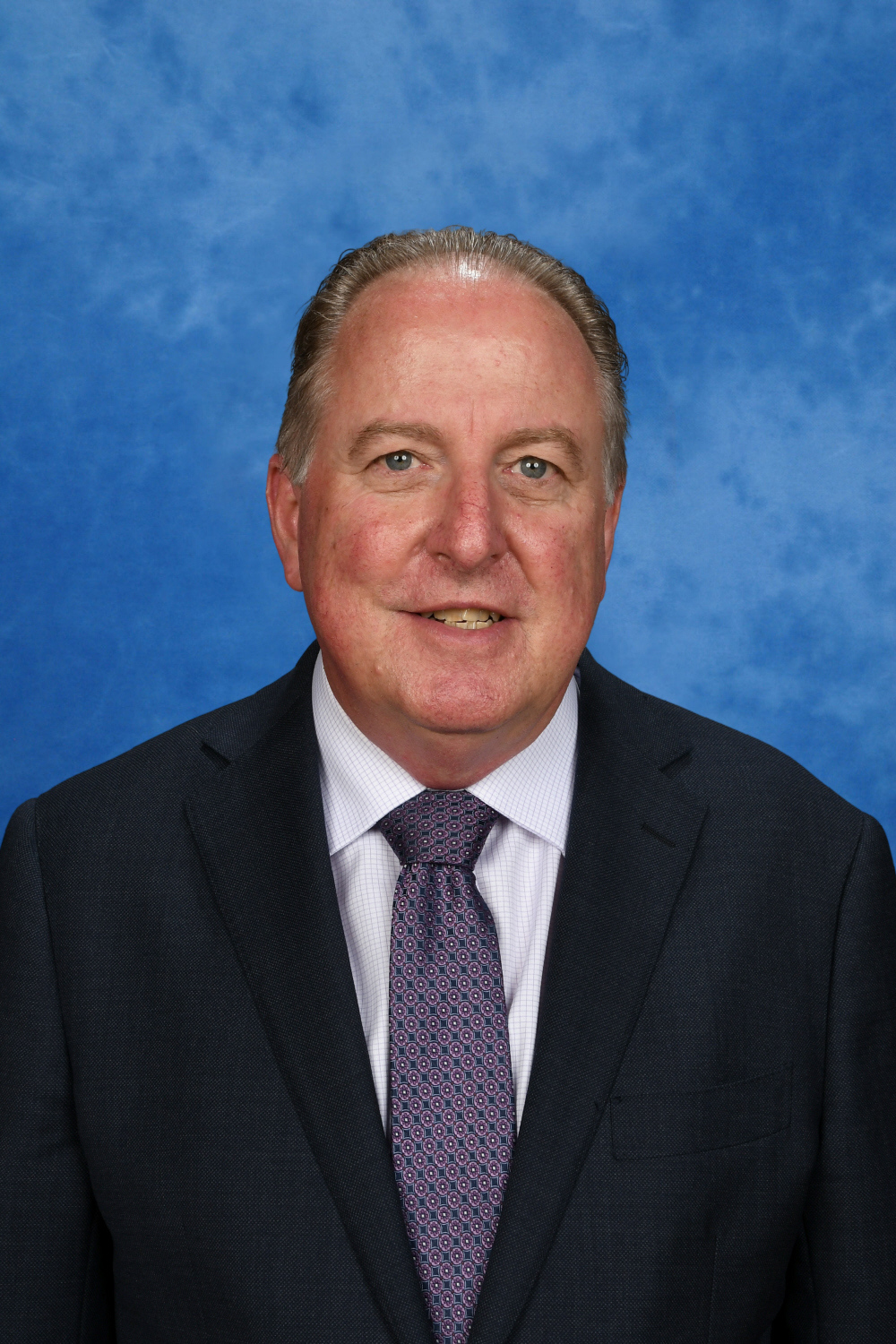
Peter Dickinson
Deputy Principal