Menu




Menu



“Lord, we know what we are, but know not what we may be.”
William Shakespeare, Hamlet, Act 4, Scene 5
Semester 2 is now well underway. The early energy of a new beginning has settled, and the more demanding work has begun.
In the previous Grammar News, I reflected on the courage required to begin. Beginning matters. Yet education asks something more of us. It asks that we continue when progress slows, confidence wavers or results disappoint.
Shakespeare’s words remind us that who we are now does not define who we may become. A student is not fixed by one assessment, one mistake or one moment of uncertainty. Current performance tells us something, but it does not tell the whole story. It is a starting point, not a verdict.
Potential, however, is not fulfilled by optimism alone. Growth requires deliberate action. It develops when students listen carefully, ask questions, practise what they do not yet understand and respond honestly to feedback. It grows through revision. It deepens when students return to difficult ideas rather than avoiding them.
This is where aspiration becomes practical. It is found in the student who improves an explanation because it lacks precision. It is found in the learner who studies consistently rather than relying on a final burst of effort. It is found in the courage to say, “I do not understand this yet.”
Our teachers support this growth by making expectations clear, designing purposeful learning and giving feedback that identifies the next step. Families play an important role. Questions can help. What did you find difficult today? What feedback have you received? What will you do differently next time?
These questions shift attention from marks alone to the habits that produce lasting progress.
The promise of education lies partly in this openness. We know something of who we are today. We should be honest about our strengths, our gaps and our responsibilities. But we are not finished. What we may become will depend on what we choose to practise now.
Let us choose to Exceed the Expected.
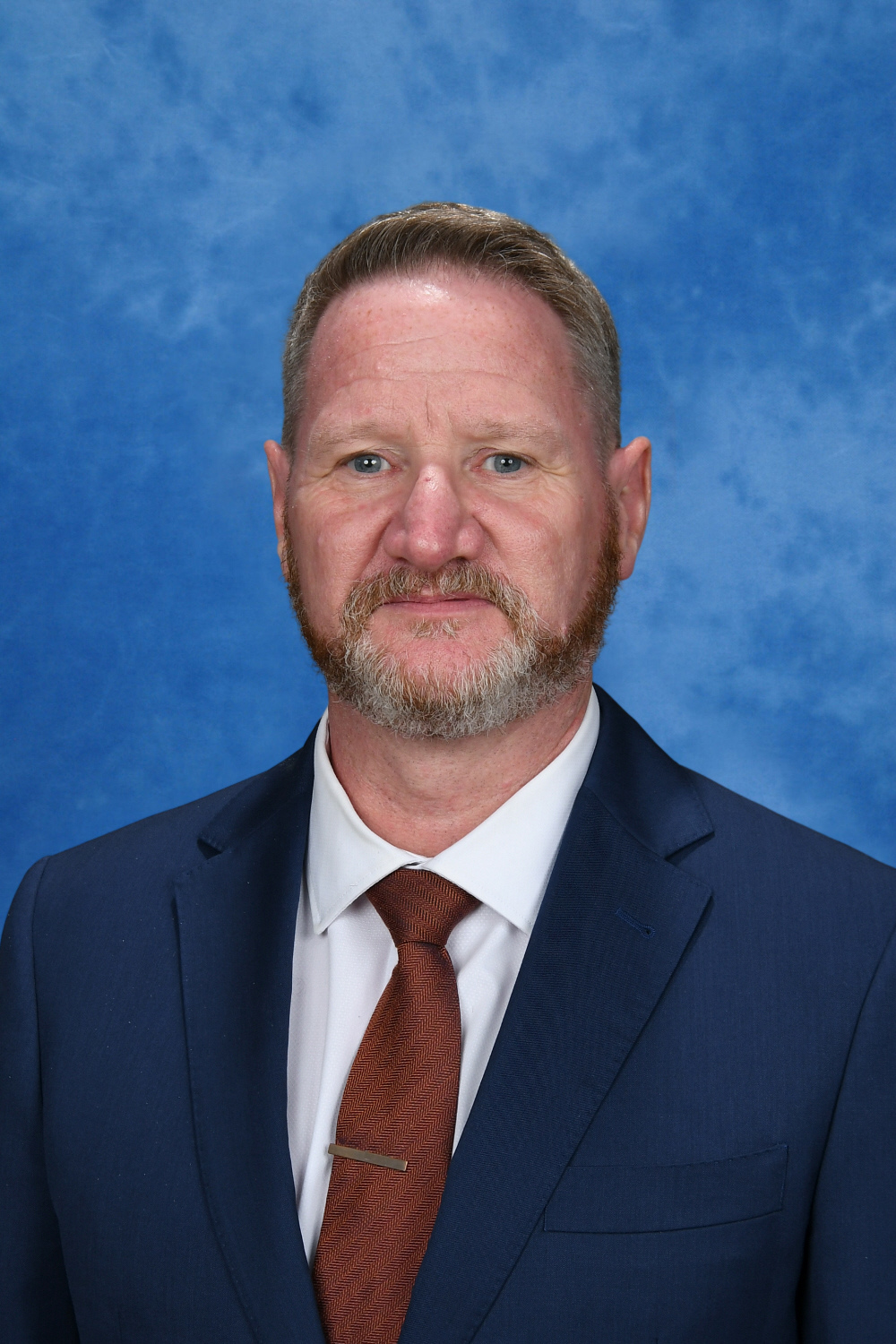
Lance Ryan
Assistant Principal - Academic
At Oakleigh Grammar, so much of what makes our community special is found in the everyday moments the conversations at the gate, the encouragement in classrooms, the celebrations, the challenges, and the many small interactions that shape a child’s experience of school.
From time to time, it can be helpful for all of us to pause and think about the big rocks the things that matter most.
For our students, these are feeling safe, known, and valued; developing confidence and curiosity; learning how to navigate challenges; and experiencing kindness, respect and a genuine sense of belonging.
Around these big rocks sit the many smaller moments that naturally come with school life. Plans may change, questions arise, things do not always unfold exactly as expected, and sometimes we simply need a conversation to better understand one another.
The partnership between families and school is an important part of helping our children navigate all of this. Families bring a deep understanding of their child, while our staff bring their care, professional expertise, and knowledge of the many children they support each day. When those perspectives come together, our children benefit.
Our HARK values of Humility, Aspiration, Respect and Kindness provide a wonderful foundation for that partnership. They remind us of the kind of community we want our children to experience and, importantly, the way we hope they see the adults around them working together.
There will always be big rocks and small rocks along the journey. What matters most is that, together, we continue to keep our children, our relationships, and our shared values firmly at the centre of all that we do.
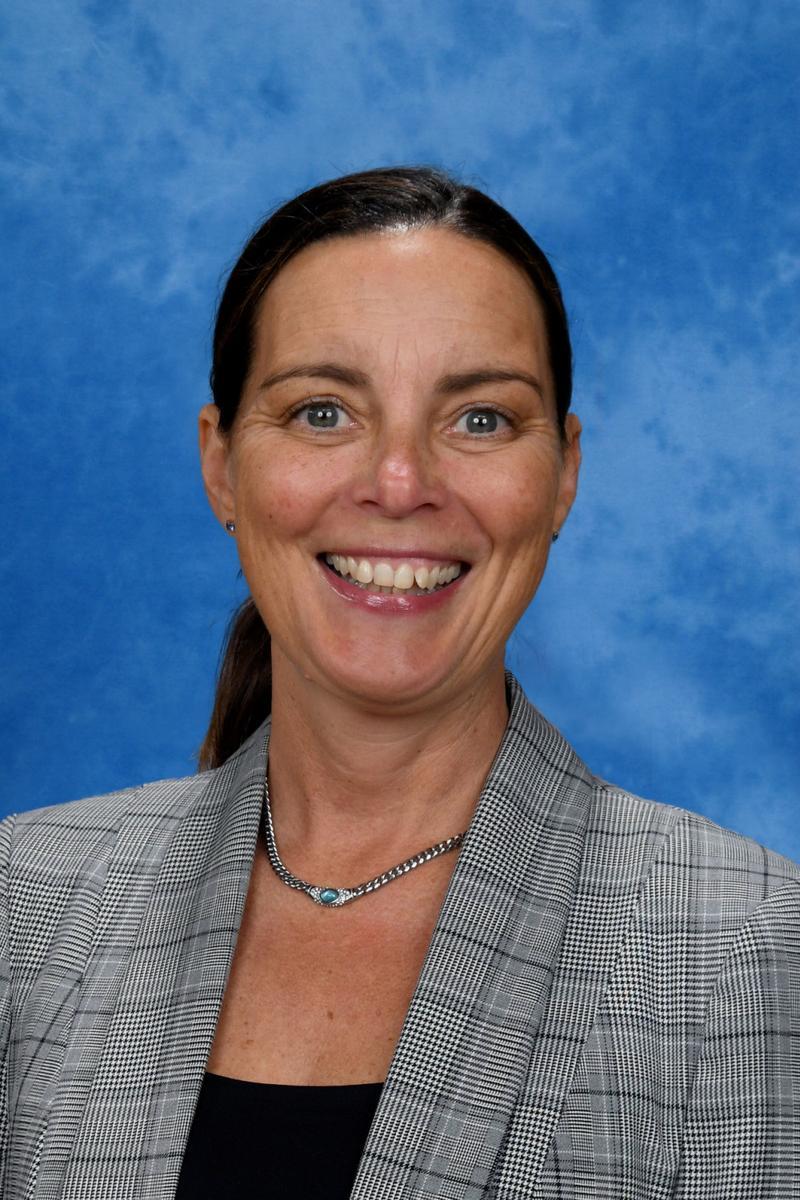
Shelley Parkes
Assistant Principal ‑ Head of Junior School