Menu




Menu




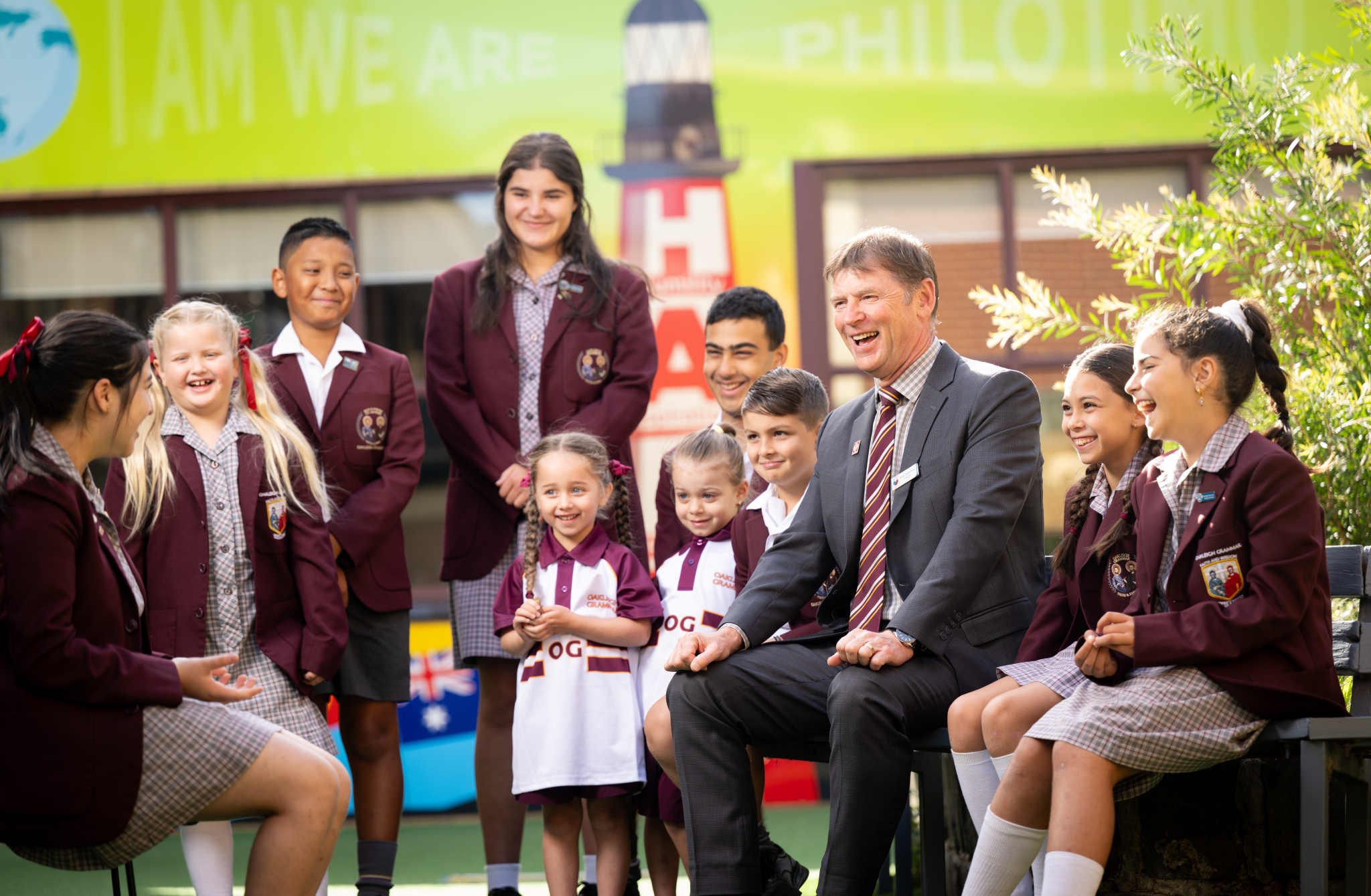
While students head off to sports, homework, rehearsals or home for the evening, the work of a school community continues long after the final bell.
Across the Junior School, staff continue engaging in reflection, professional dialogue, and collaborative planning focused on how we can best support students across their learning, wellbeing and social development. Like all strong schools, we recognise that supporting children well requires ongoing review, responsiveness and a willingness to continually refine practice as student needs evolve.
Throughout the term, teams have explored ways to strengthen consistency in student experiences across classrooms, specialist programs and playground settings, while continuing to build environments where students feel safe, supported, connected and confident to navigate both the successes and challenges that come with school life.
Importantly, this work is never viewed as finished. Schools are living communities, and the needs of students, families and educators continue to grow and change over time. One of the strengths of our Junior School continues to be the willingness of staff to engage openly in reflection, collaboration and continuous improvement to ensure student wellbeing and growth remain at the centre of decision-making.
So yes, while students may hear the bell ring at 3:25 pm, for us, the thinking, reflecting, planning, and occasional coffee and biscuit-fuelled conversations are often just getting started.
Shelley Parkes
Assistant Principal - Head of Junior School
As we move toward the end of the semester, the rhythm of school changes. Students are no longer simply doing their subjects, routines and fulfilling expectations. They are now being asked to show what they know.
Assessments, SACs, tests and examinations begin to provide important evidence. They show what has been understood. They reveal what needs to be strengthened. They help teachers make informed decisions about what to clarify, revisit or extend. They also help students see the link between their habits and their progress.
This is why assessment should not be viewed only as a mark.
A mark matters, but it is not the whole story. Assessment is also feedback. It gives students a clearer picture of where they are in their learning. It shows whether their study methods are working. It highlights gaps in knowledge, skill or confidence. Most importantly, it points to the next step.
Earlier in the year, students may have begun with strong intentions. They may have set goals, made commitments and imagined what they hoped to achieve. These intentions are valuable. But intention must become action. Action must become habit. Habit must eventually become evidence.
This is the work of learning.
At this time of year, students are encouraged to prepare with purpose. Effective study is active. It involves more than reading over notes or highlighting pages. Students need to test themselves, complete practice questions, explain ideas in their own words, revisit feedback and return to challenging material. Learning strengthens when students retrieve, practise and refine.
Parents also play an important role. Calm, practical support can make a significant difference. Encouraging a regular study routine, reducing distractions, supporting sleep and asking thoughtful questions can help students stay focused. The most useful question is not always, “Have you finished?” Sometimes it is better to ask, “What are you trying to improve?”
This is a season for honesty, not panic.
If the evidence shows progress, students should build on it. If the evidence shows weakness, they should respond to it. A disappointing result is not a final judgement. It is information. It tells a student where attention is needed next.
The aim is not perfection. The aim is growth with purpose.
When students learn to use assessment as evidence, they become more reflective, more resilient and more capable learners.
Exceed the Expected.
Lance Ryan
Assistant Principal - Academic