Menu




Menu


This month in Digital Technology, our Year 6 and Year 7 students participated in an exciting and highly practical unit focused on computer systems and digital hardware.
Students explored the components that allow computers to function, including operating systems, embedded and non-embedded systems, CPUs, RAM, storage devices, cooling systems, and internal hardware connections.
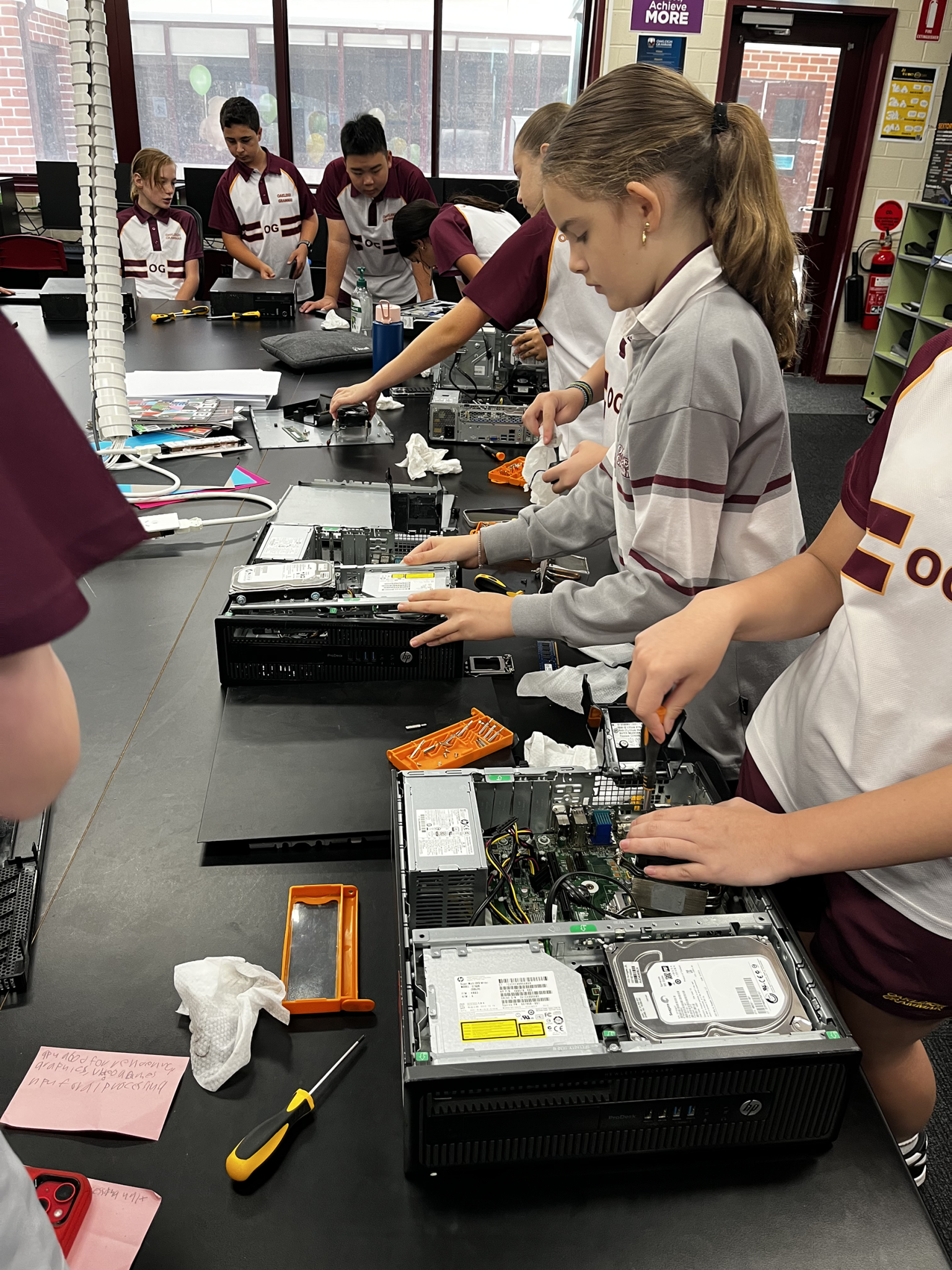
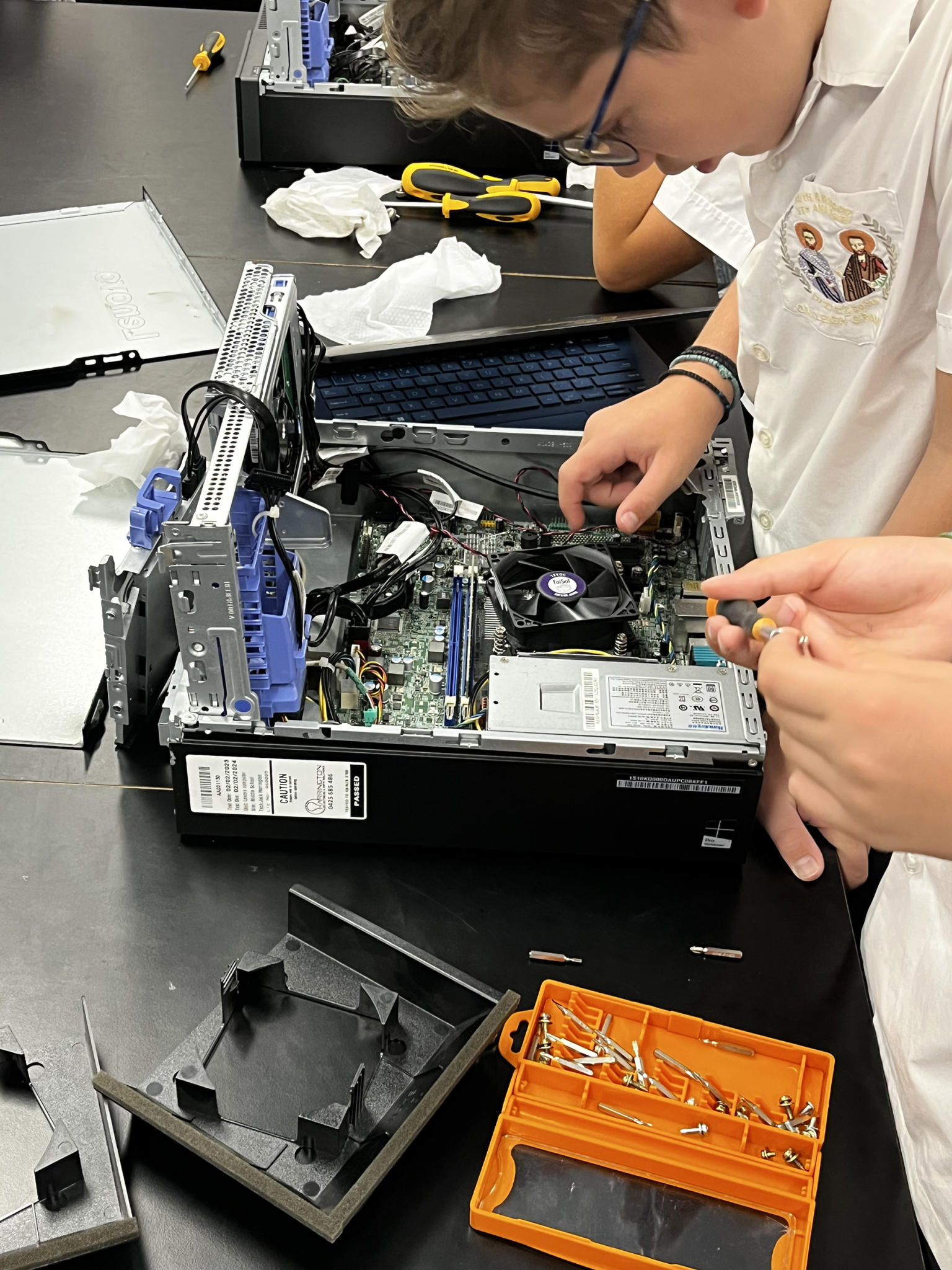
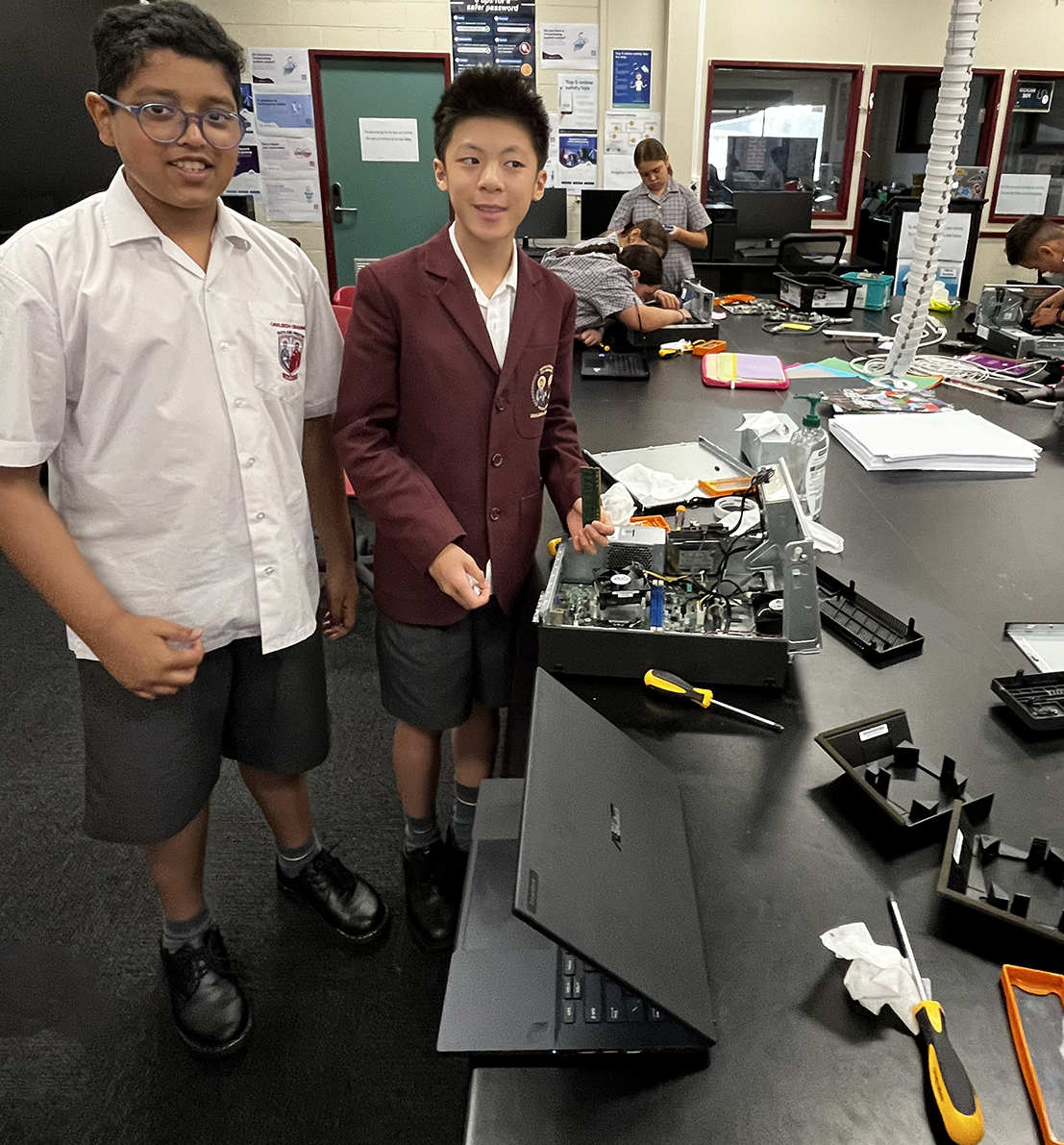
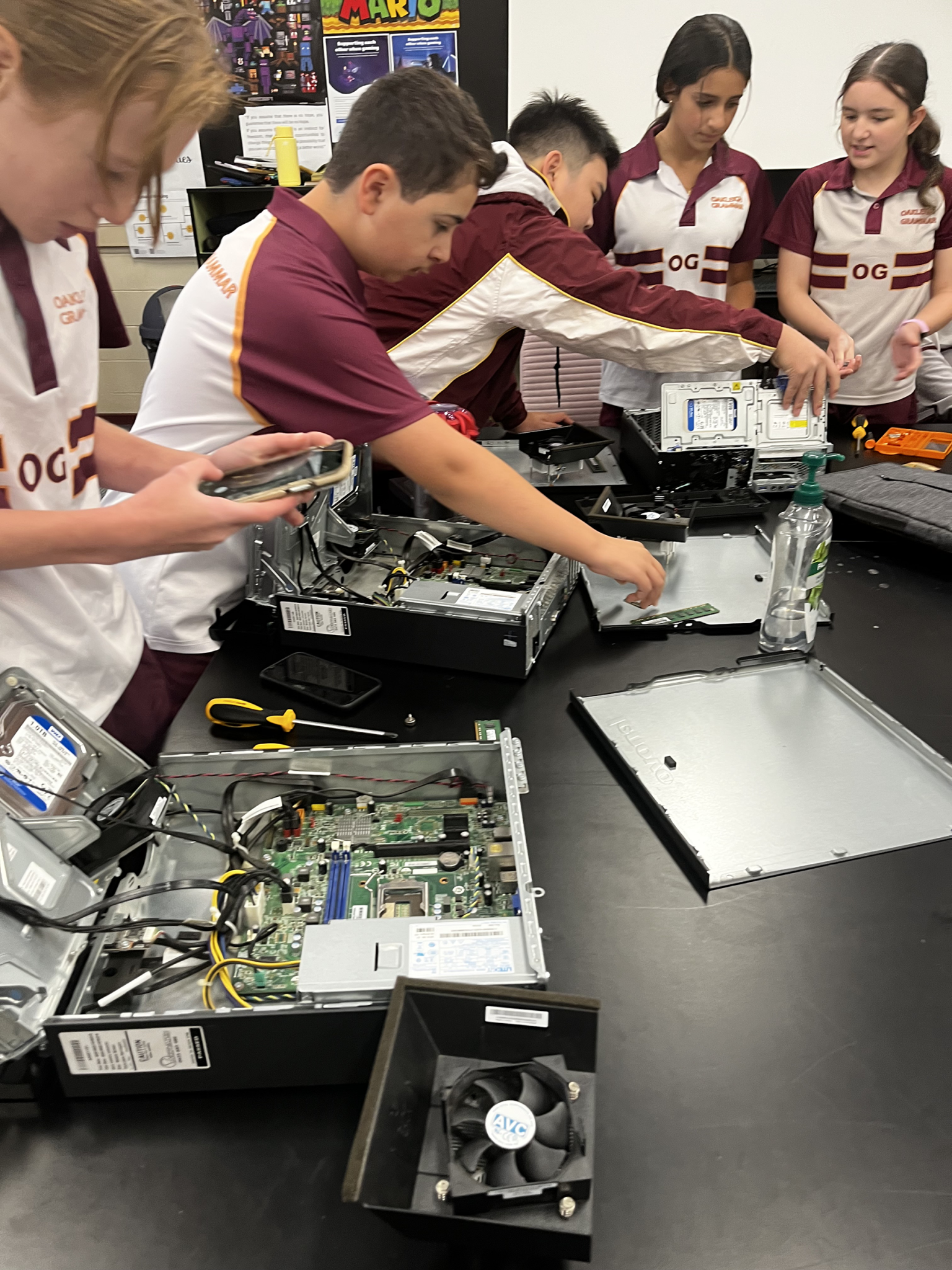
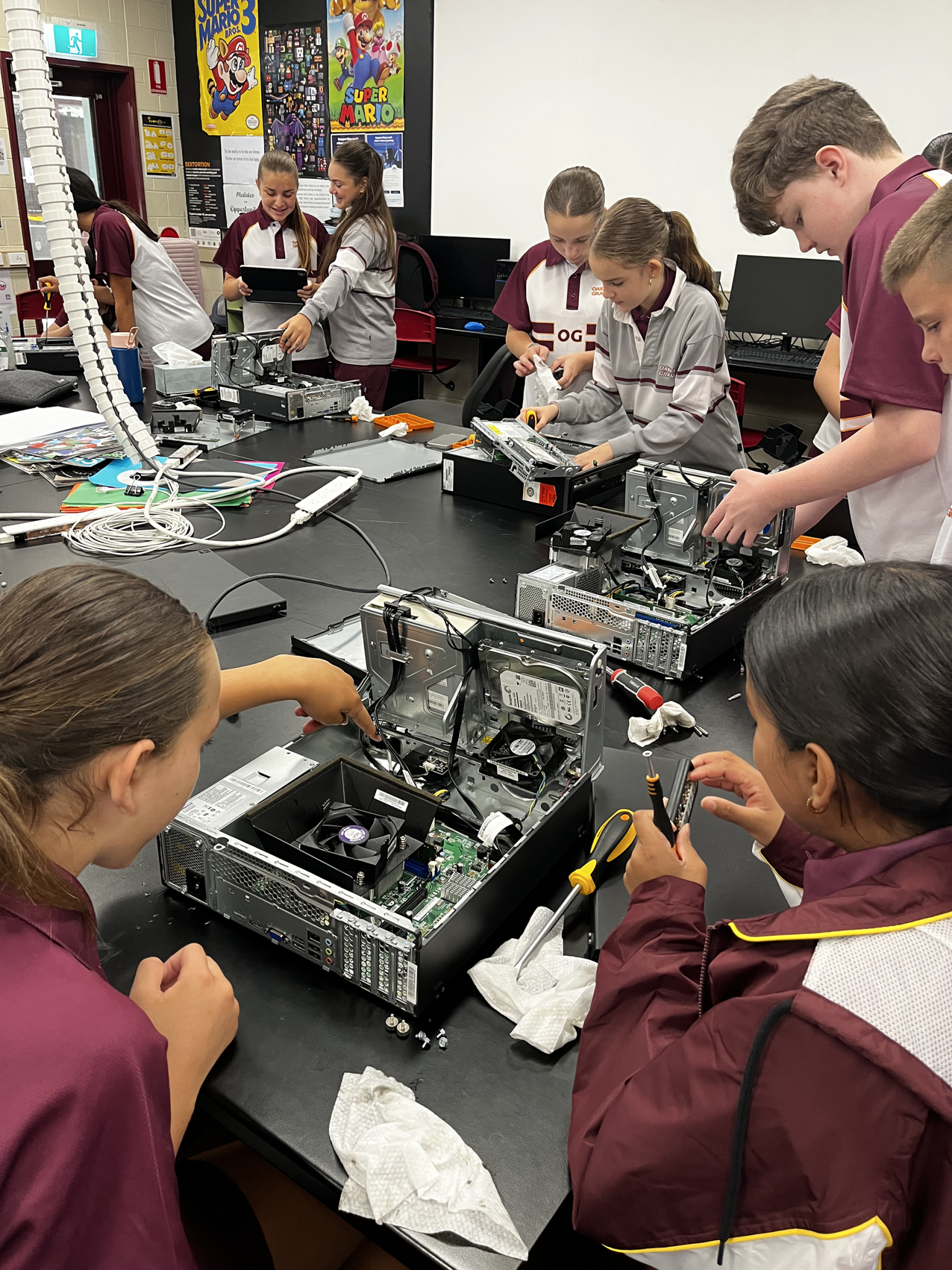
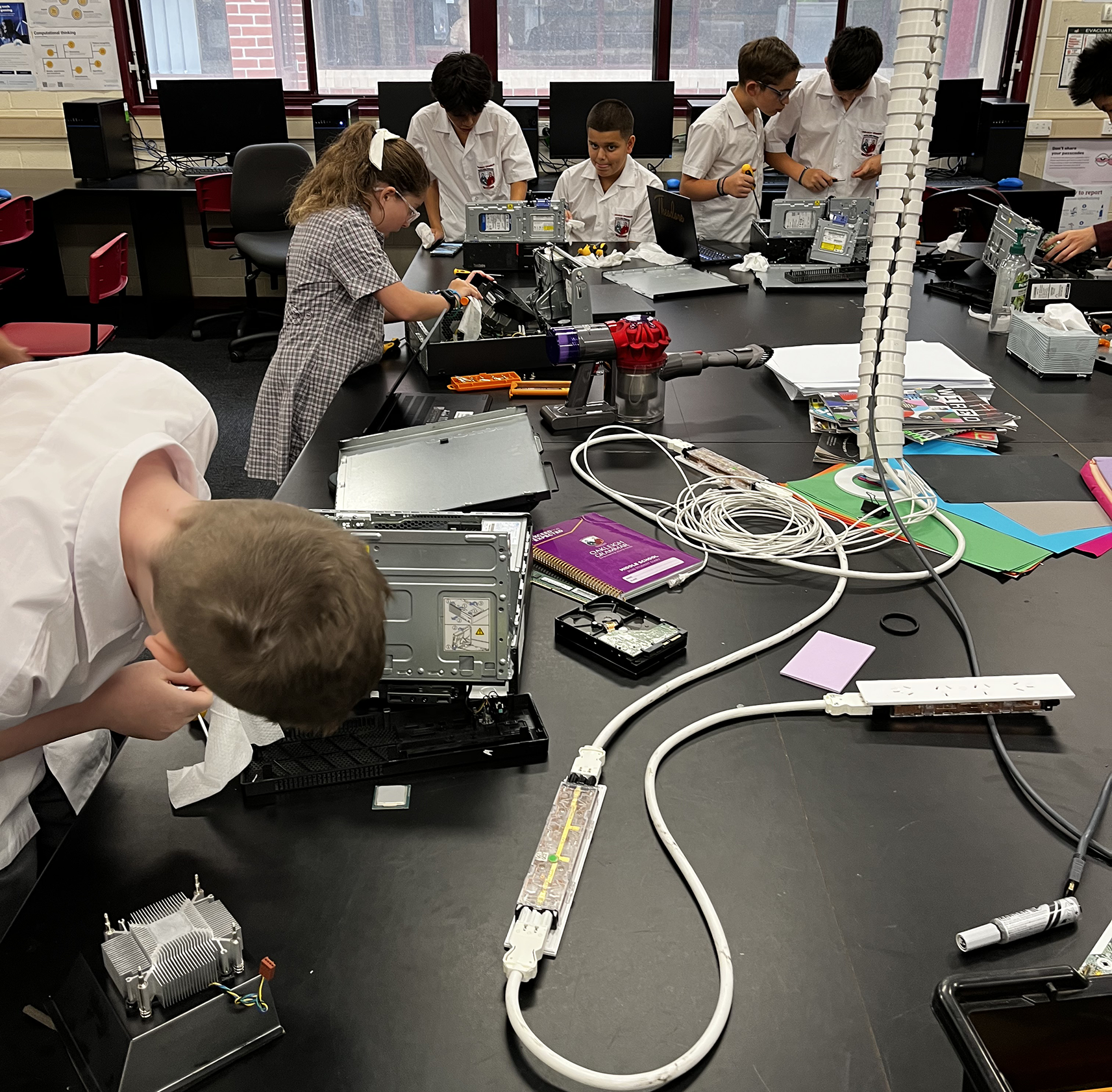
To build deep understanding, learning moved beyond PowerPoint presentations and into hands-on exploration. Students were given the opportunity to disassemble and reassemble desktop computers, identifying key components and discussing their purpose within the system. This approach allowed students to recognise the physical hardware that supports the software tools they use daily for learning, creativity, and problem-solving.
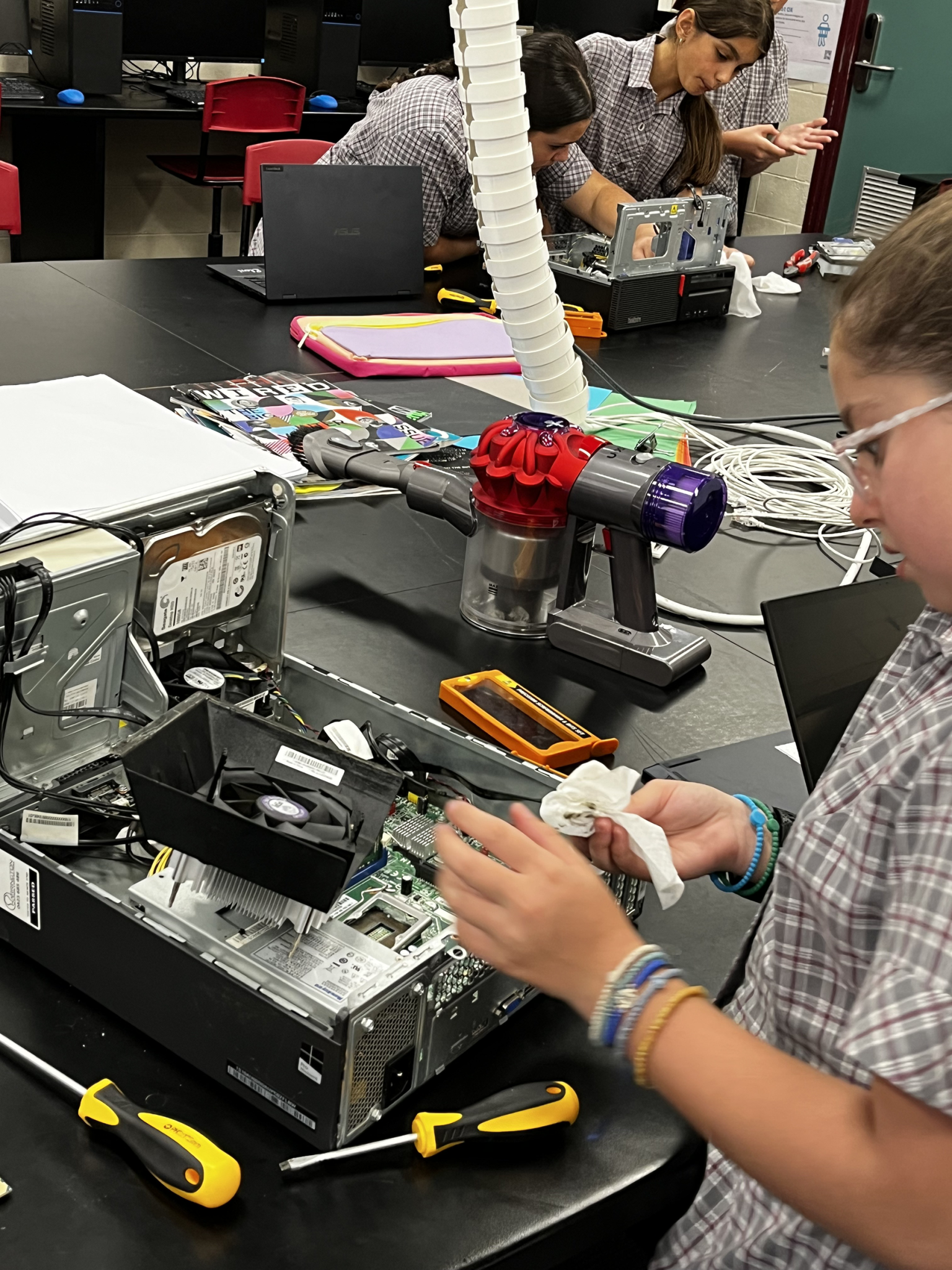
Throughout the process, students carefully located and examined essential parts such as the motherboard, RAM, hard drives, power supply, and CPU cooling fan. A major focus of the unit was understanding the importance of cooling and airflow. Students observed how dust build-up can affect system performance and reliability and practised safely cleaning dust from fans and heat sinks, including the fan above the CPU. This was an excellent opportunity for students to develop real-world awareness of how computers are maintained in homes, workplaces, and professional IT environments.
Students also developed an understanding of how operating systems work as the “manager” of a computer system. They compared how different devices use operating systems in different ways, and they explored examples of embedded systems, such as smart devices and appliances, versus non-embedded systems such as desktop computers and laptops.
This unit directly aligns with the Australian Curriculum v9: Digital Technologies, particularly in the area of developing knowledge of digital systems and understanding how hardware and software interact. Students were supported to explain how digital systems are structured and how components work together to process, store, and transmit data. They also developed important skills in problem-solving, collaboration, and safe technology practices through the structured disassembly and reassembly process.
The unit also helped students make meaningful links to future learning and STEM pathways. Understanding computer systems provides strong foundations for future topics such as cybersecurity, robotics, software development, data analytics, computer engineering, and IT support. By engaging with real computer hardware, students developed confidence and curiosity, and they strengthened the practical knowledge required for future digital technologies learning.
Overall, this hands-on learning experience was a valuable and engaging way for students to develop technical understanding, critical thinking, and future-ready skills in Digital Technology.
Peter Akbiyik
Teacher, VCE Applied Computing & Data Analytics