Menu




Menu


This month in Digital Technology, our Year 6 and Year 7 students participated in an exciting and highly practical unit focused on computer systems and digital hardware.
Students explored the components that allow computers to function, including operating systems, embedded and non-embedded systems, CPUs, RAM, storage devices, cooling systems, and internal hardware connections.
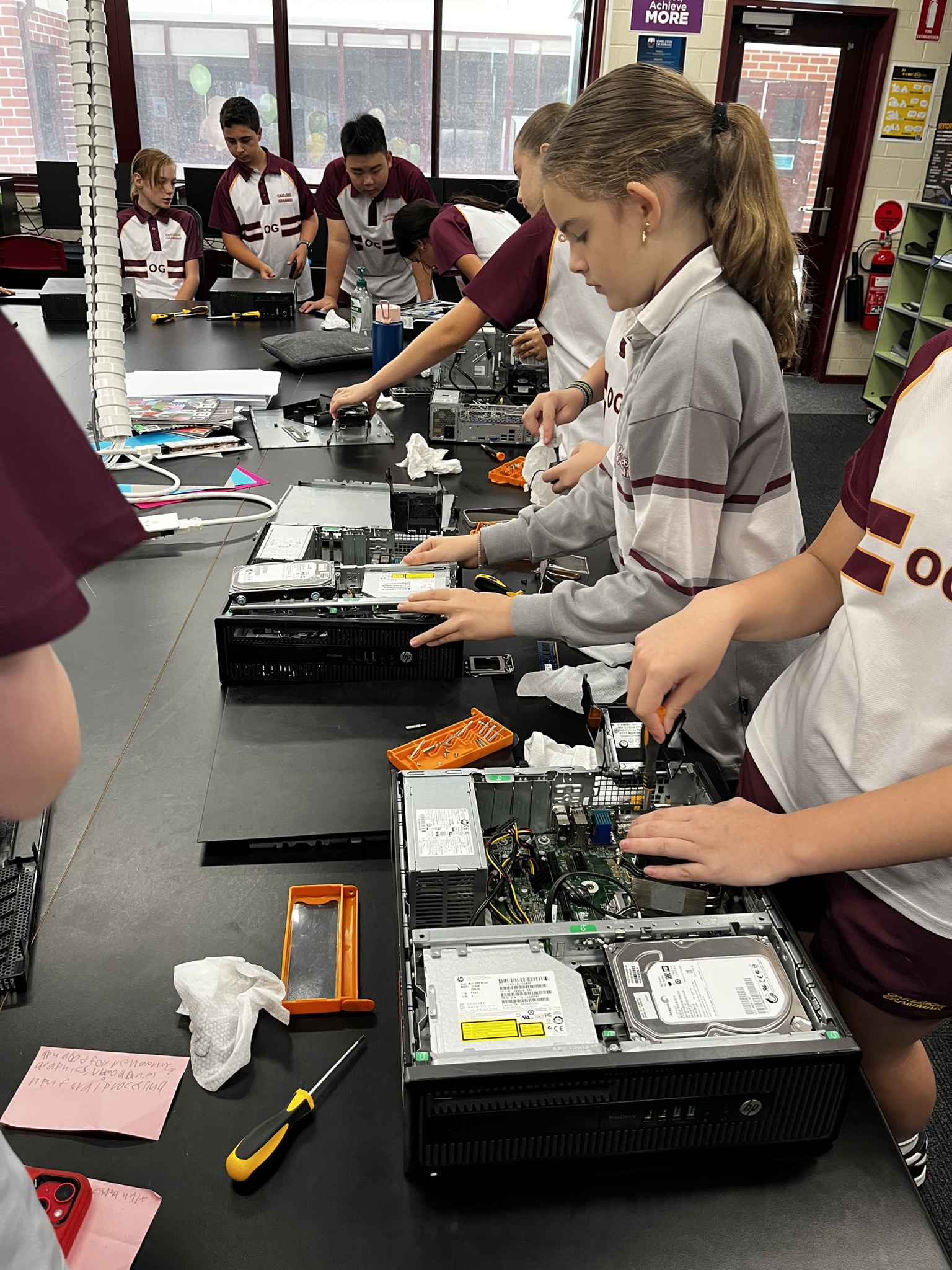
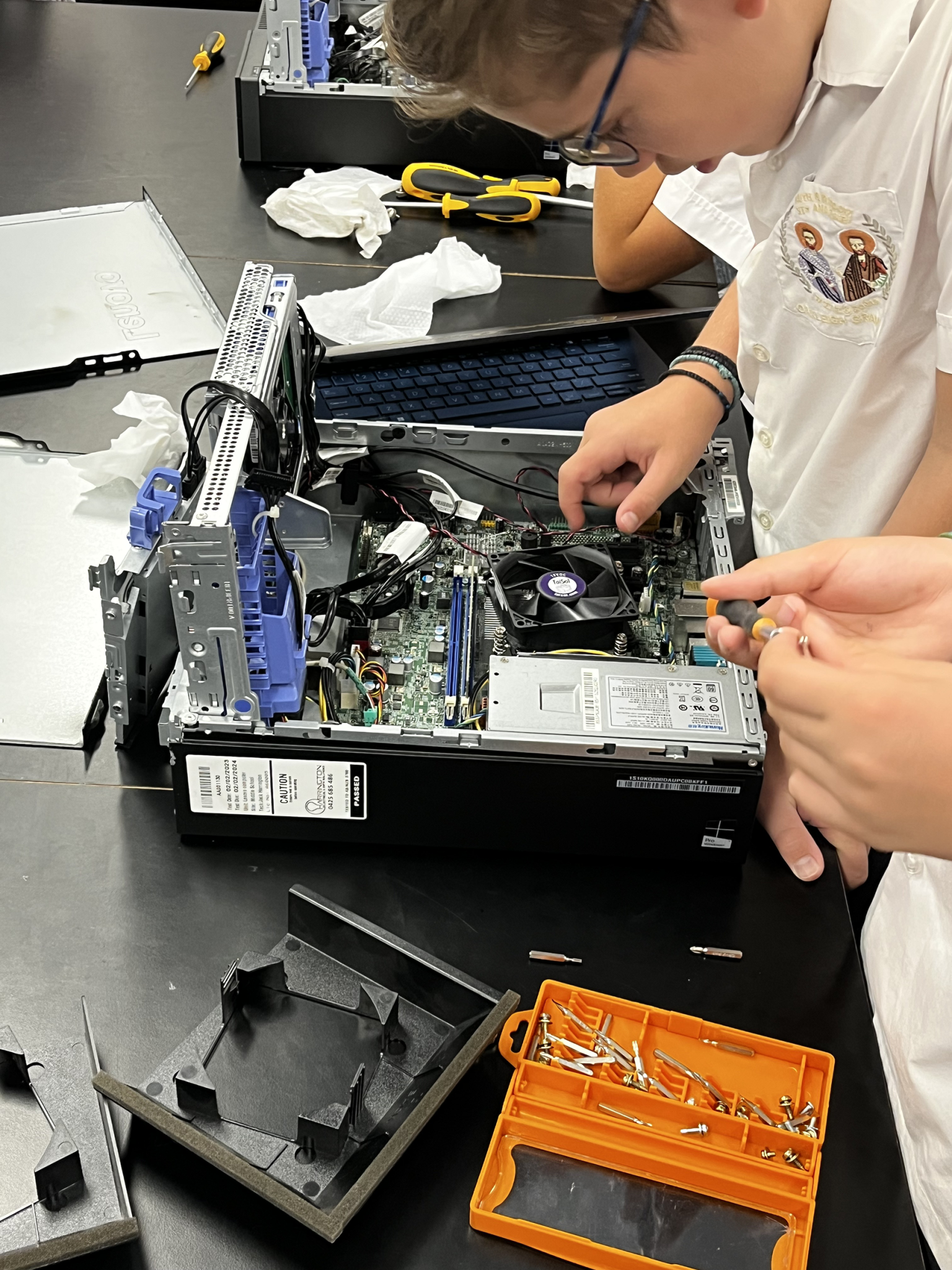
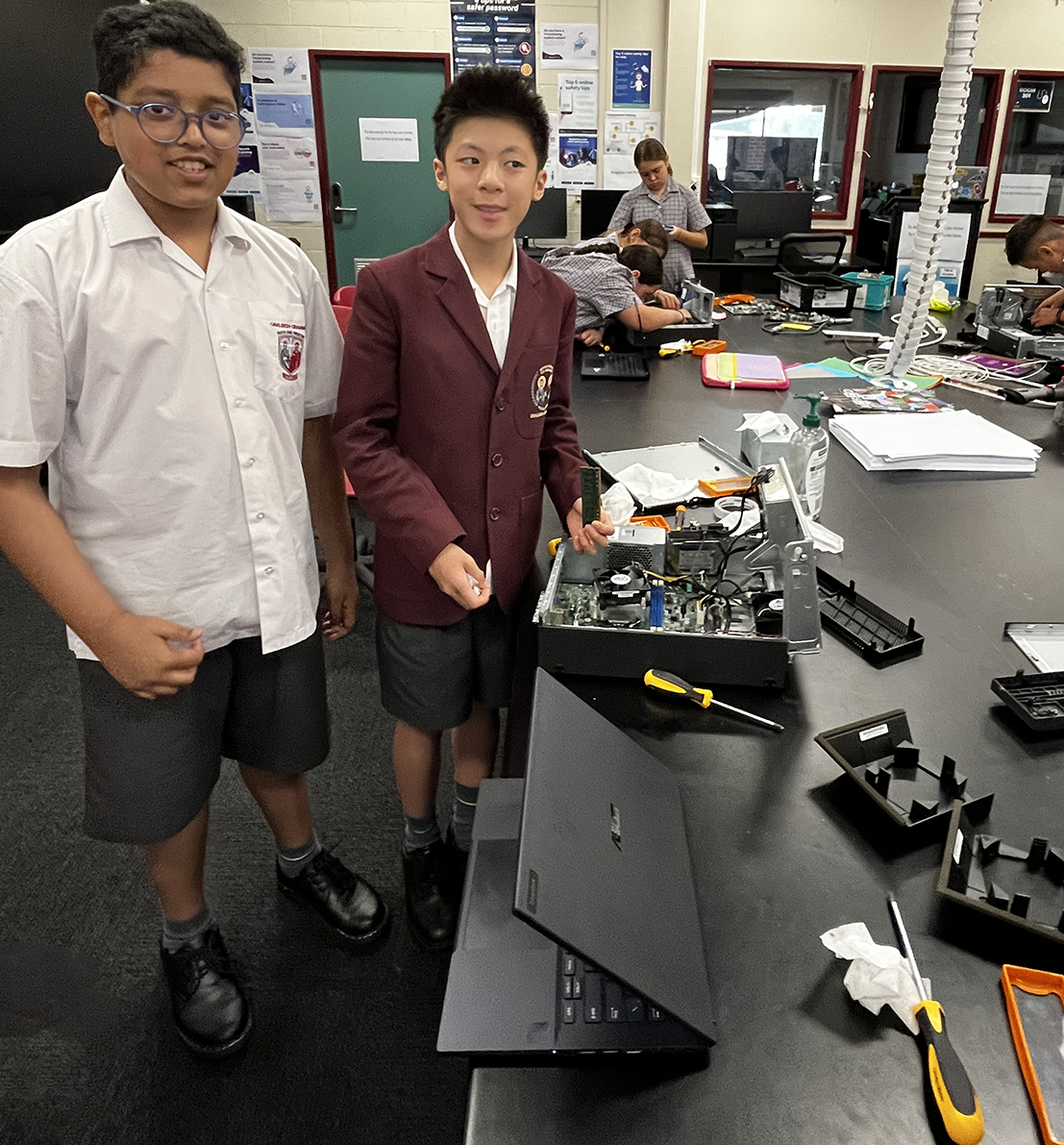
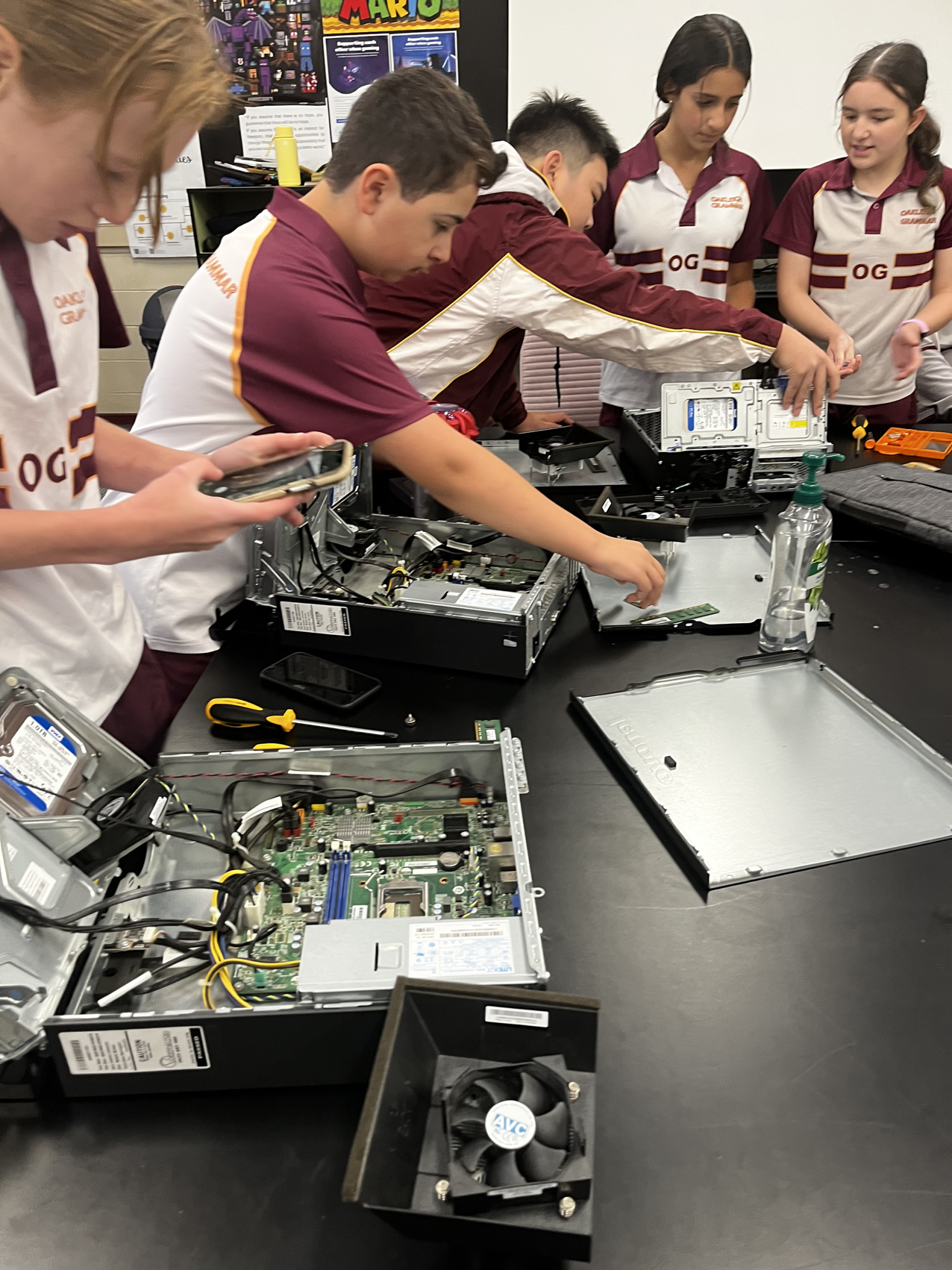
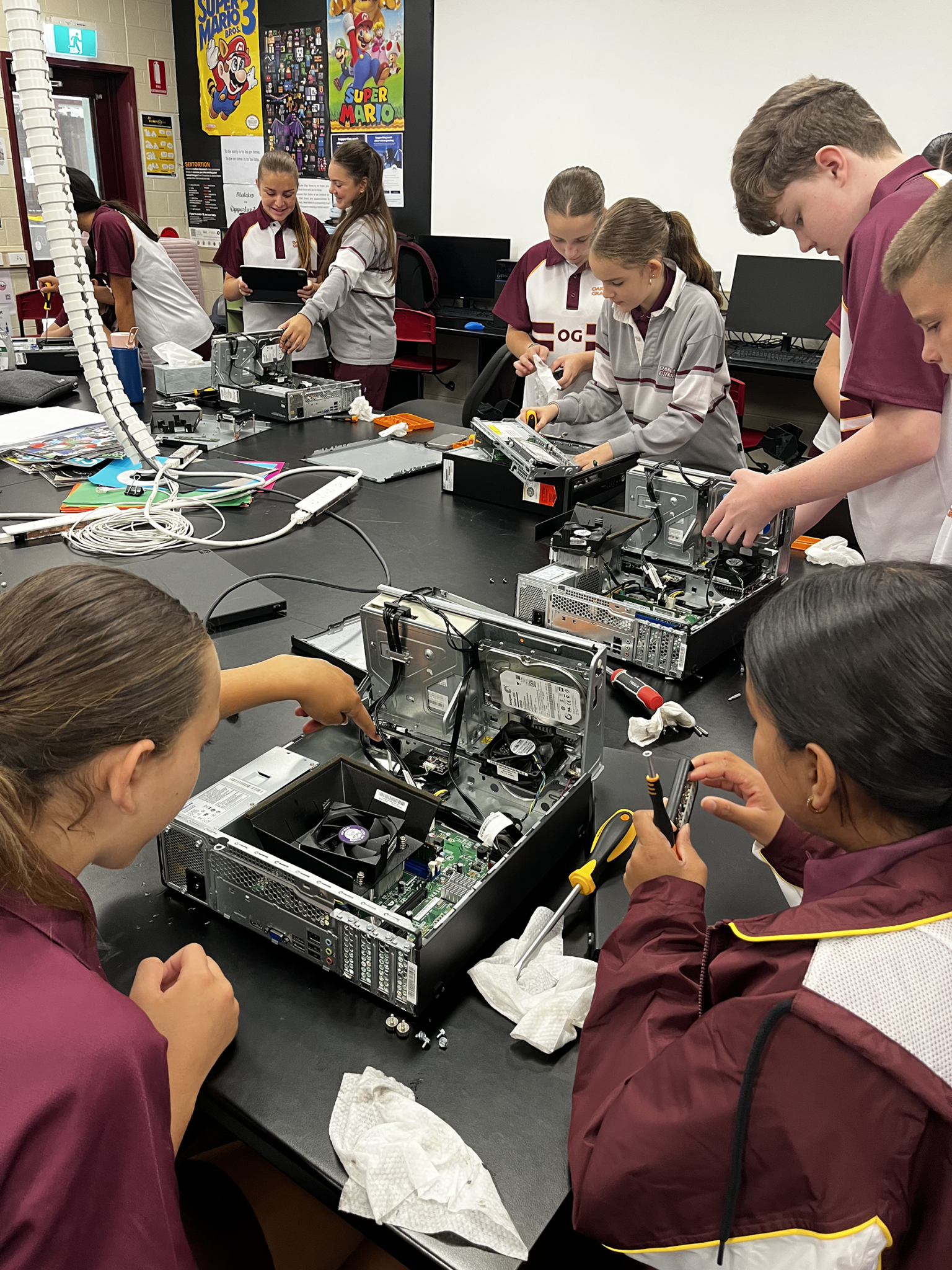
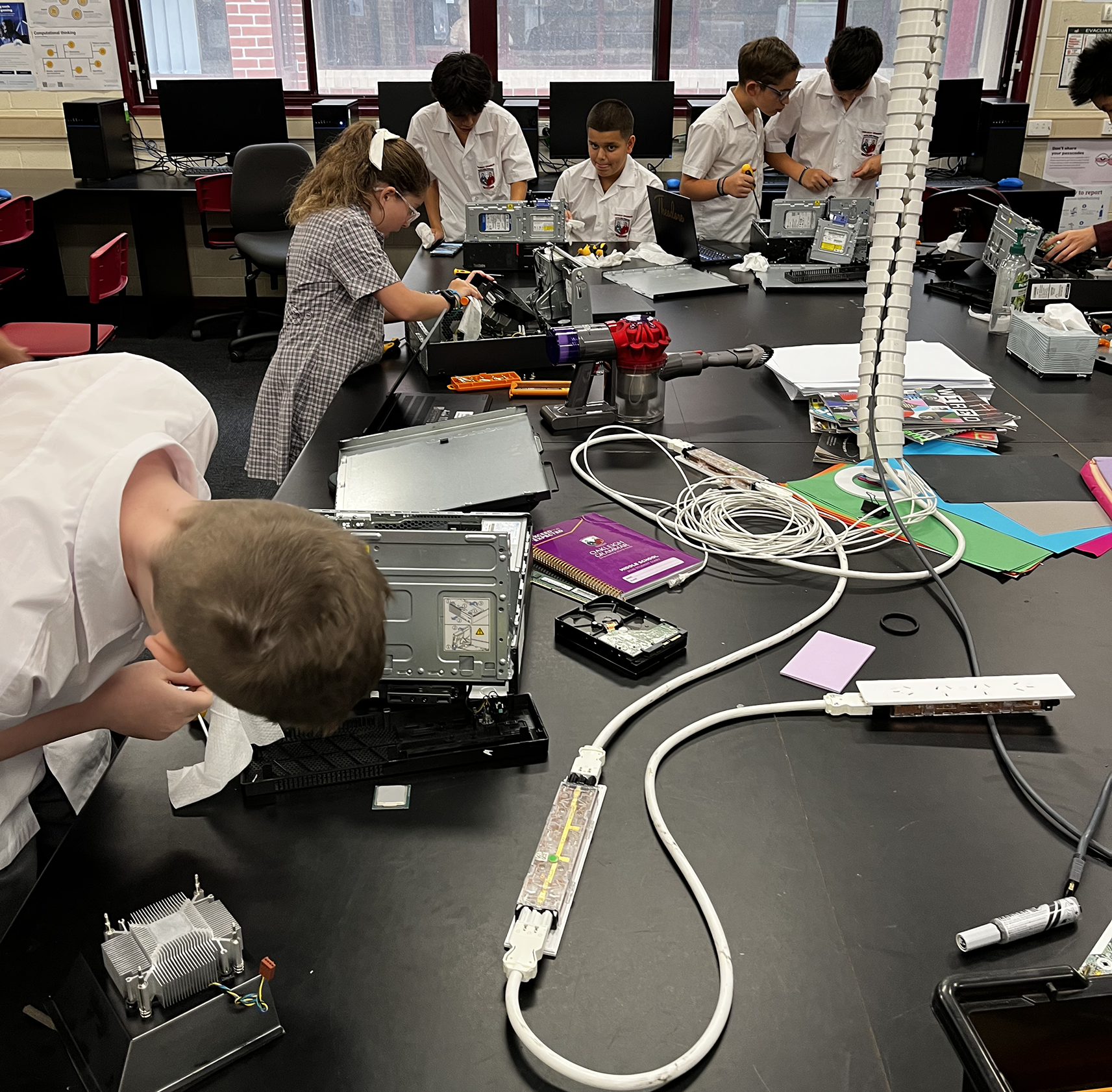
To build deep understanding, learning moved beyond PowerPoint presentations and into hands-on exploration. Students were given the opportunity to disassemble and reassemble desktop computers, identifying key components and discussing their purpose within the system. This approach allowed students to recognise the physical hardware that supports the software tools they use daily for learning, creativity, and problem-solving.
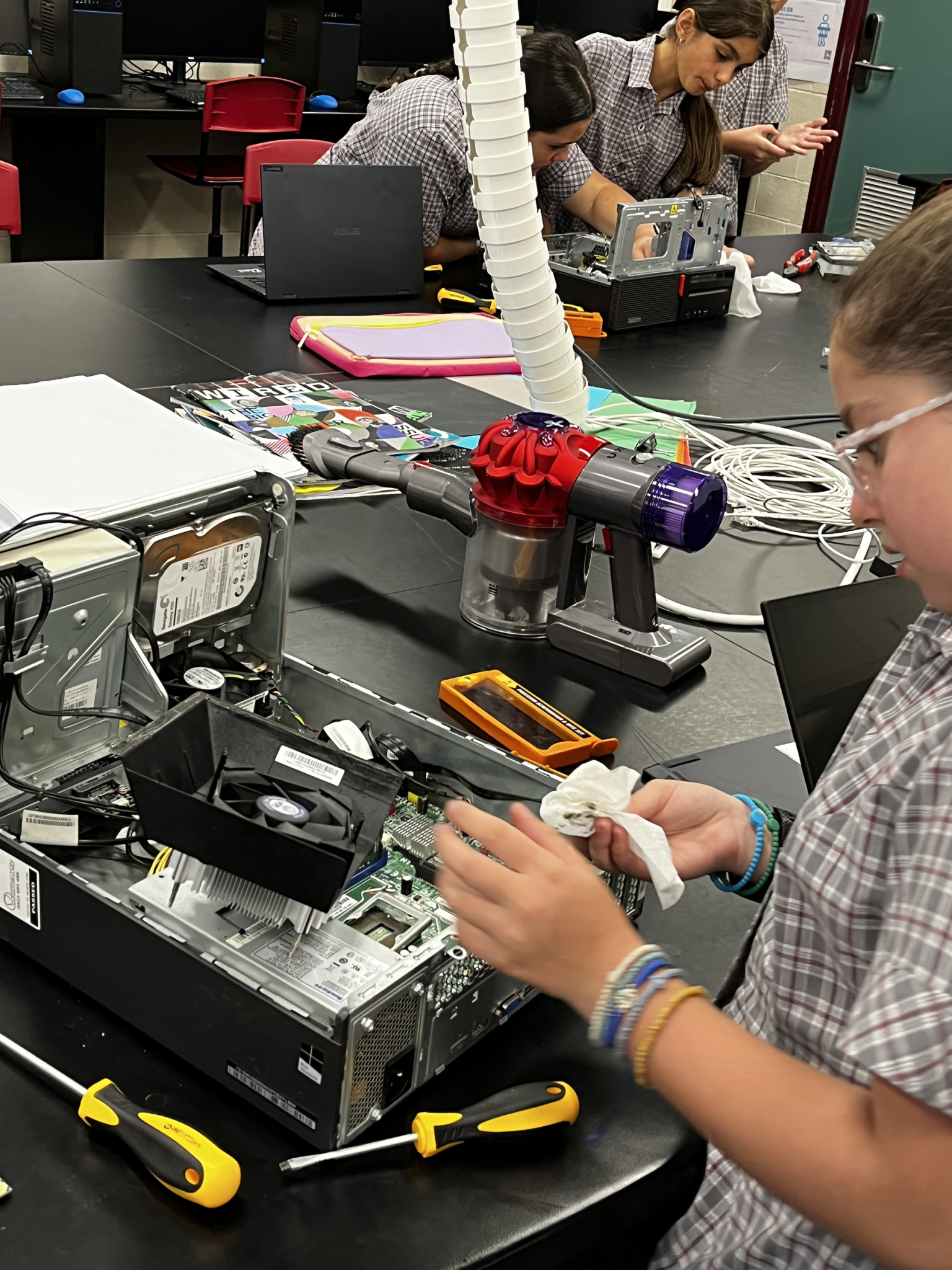
Throughout the process, students carefully located and examined essential parts such as the motherboard, RAM, hard drives, power supply, and CPU cooling fan. A major focus of the unit was understanding the importance of cooling and airflow. Students observed how dust build-up can affect system performance and reliability and practised safely cleaning dust from fans and heat sinks, including the fan above the CPU. This was an excellent opportunity for students to develop real-world awareness of how computers are maintained in homes, workplaces, and professional IT environments.
Students also developed an understanding of how operating systems work as the “manager” of a computer system. They compared how different devices use operating systems in different ways, and they explored examples of embedded systems, such as smart devices and appliances, versus non-embedded systems such as desktop computers and laptops.
This unit directly aligns with the Australian Curriculum v9: Digital Technologies, particularly in the area of developing knowledge of digital systems and understanding how hardware and software interact. Students were supported to explain how digital systems are structured and how components work together to process, store, and transmit data. They also developed important skills in problem-solving, collaboration, and safe technology practices through the structured disassembly and reassembly process.
The unit also helped students make meaningful links to future learning and STEM pathways. Understanding computer systems provides strong foundations for future topics such as cybersecurity, robotics, software development, data analytics, computer engineering, and IT support. By engaging with real computer hardware, students developed confidence and curiosity, and they strengthened the practical knowledge required for future digital technologies learning.
Overall, this hands-on learning experience was a valuable and engaging way for students to develop technical understanding, critical thinking, and future-ready skills in Digital Technology.
Peter Akbiyik
Teacher, VCE Applied Computing & Data Analytics
Learning an additional language is one of the most valuable gifts we can offer our students. Beyond developing communication skills, language learning strengthens cognitive growth, deepens cultural understanding, and nurtures empathy and global awareness. At Oakleigh Grammar, our LOTE – Greek Department provides students with meaningful opportunities to be immersed not only in the Greek language but also in the rich traditions, history and customs that accompany it. Through engaging and interactive lessons, students explore vocabulary, grammar and expression while experiencing Hellenic culture in authentic and dynamic ways. From music and storytelling to cultural celebrations and hands-on activities, our classrooms are vibrant spaces where language comes alive and every learner is encouraged to connect with both heritage and the wider world.
A highlight of the term was the celebration of International Greek Language Day, a day dedicated to recognising the global influence and enduring legacy of the Greek language. Students across year levels enthusiastically participated in a range of creative and educational activities. They solved crosswords and word puzzles, engaged in collaborative language games, and discovered how Greek words and ideas extend far beyond the walls of the classroom. Throughout the day, students demonstrated their growing confidence in Greek by performing traditional songs and taking part in lively storytelling experiences that brought the language to life. In some classrooms, interactive trivia challenges added an extra layer of excitement, as students tested their knowledge of Greek vocabulary, mythology and significant historical personalities. The celebration highlighted not only linguistic achievement but also the pride our students feel in engaging with one of the world’s oldest and most influential languages.
Our Junior School students also embraced the joy of cultural learning through the celebration of Clean Monday, marking the beginning of Great Lent in the Greek Orthodox tradition. Students were introduced to the meaningful custom of “Kyra Sarakosti,” learning about its symbolism and the way it helps families count down the weeks to Easter. With creativity and enthusiasm, students designed and decorated their own colourful kites, reflecting the traditional practice of kite flying on this special day. The festivities extended beyond craft activities, as students explored Lenten foods, discussed traditions observed in Greece and Australia, and reflected on themes of renewal, preparation and community. Through these experiences, even our youngest learners gained a deeper appreciation of Greek customs and the values they represent.
Natasha Spanos
Academic Leader - LOTE